Imagine stepping into your shower and seeing a clean, seamless surface without stained grout lines, cracked tiles, or stubborn buildup that takes hours to scrub away. Instead of constant grout maintenance, you get a smooth, decorative finish that complements the rest of your bathroom.
While epoxy coatings are commonly associated with garages, warehouses, and commercial spaces, they can also offer some appealing benefits for residential bathrooms. With the right products and professional installation, epoxy-coated concrete can provide an attractive, durable flooring option for many bathroom environments.
Why Consider Epoxy Flooring for a Bathroom?
Bathrooms present unique challenges for flooring materials. Standing water, fluctuating humidity, cleaning products, and frequent foot traffic can deteriorate conventional flooring. Even attractive, high-quality tile installations require periodic grout maintenance.
On the other hand, professionally installed epoxy coatings offer several advantages for bathrooms:
- Moisture resistance: Properly prepared concrete and the correct epoxy coating system help protect the surface from everyday water exposure.
- Simple maintenance: A seamless surface eliminates time-consuming grout scrubbing.
- Durability: Epoxy coatings resist scratches, stains, and everyday wear.
- Design flexibility: A wide selection of colors, textures, and finishes makes it easy to complement almost any bathroom style.
- Improved traction: Slip-resistant additives can be incorporated into compatible coating systems to provide better footing in wet areas.
These characteristics make epoxy flooring a practical, attractive choice for residential bathrooms, commercial restrooms, locker rooms, and other water- or moisture-prone areas.
Can You Apply Epoxy to a Concrete Shower Floor?
Epoxy-coated concrete is an option for a shower floor, but it requires extra design considerations.
A typical bathroom floor may only experience occasional splashes and spills. A shower floor, however, is exposed to water every day, along with temperature changes, soap, shampoo, and other personal care products.
For this reason, a successful epoxy shower floor installation requires more than simply applying a coating to concrete. Here are three important considerations.
1. Waterproofing
Epoxy resists water well, but that doesn’t mean it can replace a shower’s waterproofing system. Showers require waterproofing around drains, wall-to-floor transitions, and plumbing areas to prevent moisture penetration to prevent potentially expensive repairs.
An epoxy coating system specifically designed for wet environments must work in conjunction with the shower’s waterproofing assembly and applicable building requirements.
2. Proper Slope and Drainage
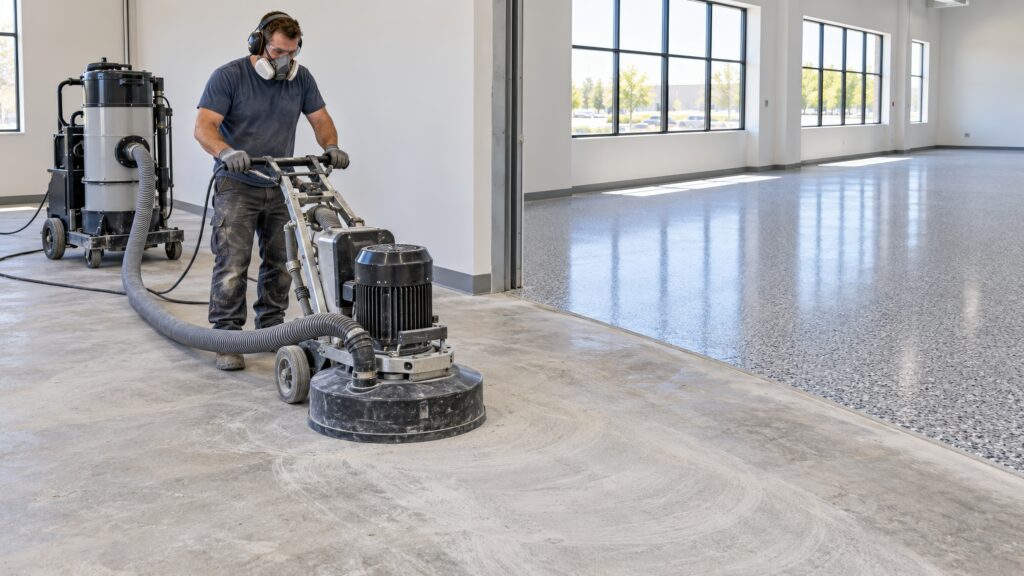
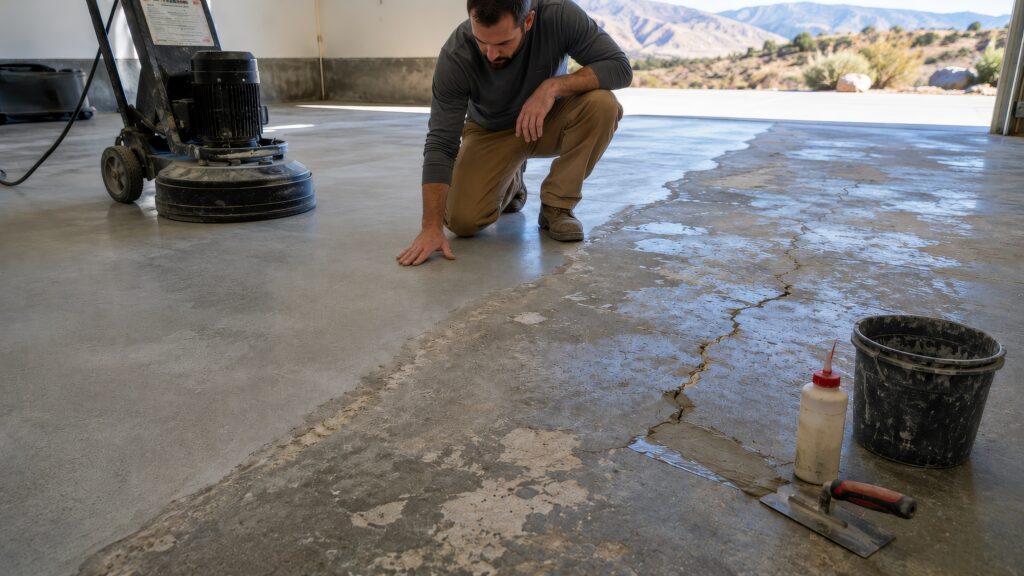
A shower floor requires an appropriate slope toward the drain. Without sufficient drainage, water collects in low spots, leaving behind unsightly mineral deposits and soap residue while increasing the risk of slips. Ensuring correct drainage by fixing concrete slope and surface irregularities before installing an epoxy coating is essential to the finished shower’s performance.
3. Slip Resistance
A smooth, glossy epoxy floor may look beautiful, but appearance isn’t the only consideration in a wet environment. Safety matters just as much.
Professional epoxy installers incorporate textured aggregates or other slip-resistant additives into compatible coating systems to improve traction.
The key is finding the right balance between slip resistance, comfort, and easy cleaning. A surface that’s too rough may feel uncomfortable under bare feet and collect soap residue, while an overly smooth finish may become slippery when wet.
Choosing the appropriate texture depends on how the shower will be used and the level of traction needed.
Decorative Possibilities for Epoxy Bathroom Floors
One of the biggest advantages of decorative concrete coatings is the variety of design possibilities. Epoxy flooring doesn’t have to look industrial or commercial. Today’s coating systems offer plenty of options for creating a polished, customized bathroom.
Some popular choices include:
- Metallic epoxy coatings: Create flowing patterns and dimensional effects that resemble marble, polished stone, and other natural materials. These finishes can give a bathroom a distinctive, upscale appearance.
- Decorative flake coatings: Incorporate multicolored flakes to add visual interest and texture while complementing existing cabinets, countertops, and fixtures.
- Solid-color coatings: Provide a clean, understated appearance that works especially well in modern and minimalist bathrooms.
- Decorative quartz systems: Combine attractive finishes with textured surfaces that can provide enhanced traction when properly specified.
Keep in mind that not every epoxy coating is designed for continuous water exposure. A decorative finish ideal for a standard bathroom floor may not suit a shower floor. Working with an experienced coating professional can help ensure the selected system fits the intended application.
Is Epoxy Flooring the Right Choice for Your Bathroom?
Epoxy-coated concrete can be an attractive alternative to traditional bathroom flooring, offering durability, design flexibility, and easier maintenance.
Whether you’re updating a residential bathroom, renovating commercial restrooms, or exploring decorative concrete coatings for a moisture-prone space, Nevada Custom Coatings wants to help you understand your options.
Our experienced concrete coating professionals help evaluate your existing surfaces, discuss your design ideas, and recommend a coating solution based on your property’s needs.